
Kuala Lumpur’s old Subang Airport has played second fiddle ever since the current Kuala Lumpur International Airport (KLIA) opened in 1998. Once the overcrowded heart of Malaysian aviation, Subang went from an international gateway to one serving mostly domestic flights virtually overnight. Government policies then limited Subang to only turboprop flights, a bit like placing a glass ceiling over the grand old airfield. Things then changed in mid-2024, when jet services restarted at Subang after a hiatus of 22 years as part of plans to rejuvenate the airport.
As of the time of writing, Batik Air Malaysia is the only local airline flying jets out of Subang, while HK Express, Scoot, and TransNusa offer jet flights to Hong Kong, Singapore, and Jakarta respectively. During my trip to Sabah to fly MASwings one last time, I took advantage of Batik Air Malaysia’s morning Subang departure to Kota Kinabalu.
Departure from Subang Skypark / Terminal 3
Subang’s main terminal these days is the “Skypark” terminal (formerly Terminal 3), a simple two-storey structure offering a fast and efficient airport experience. Some improvement works had been done since my last visit to prep the terminal for a higher volume of passengers on jet flights. New self-check in machines were installed in the departure concourse, food and beverage options were improved, and most notably the old McDonald’s is no more. It’s a slightly more premium, cookie cutter experience.
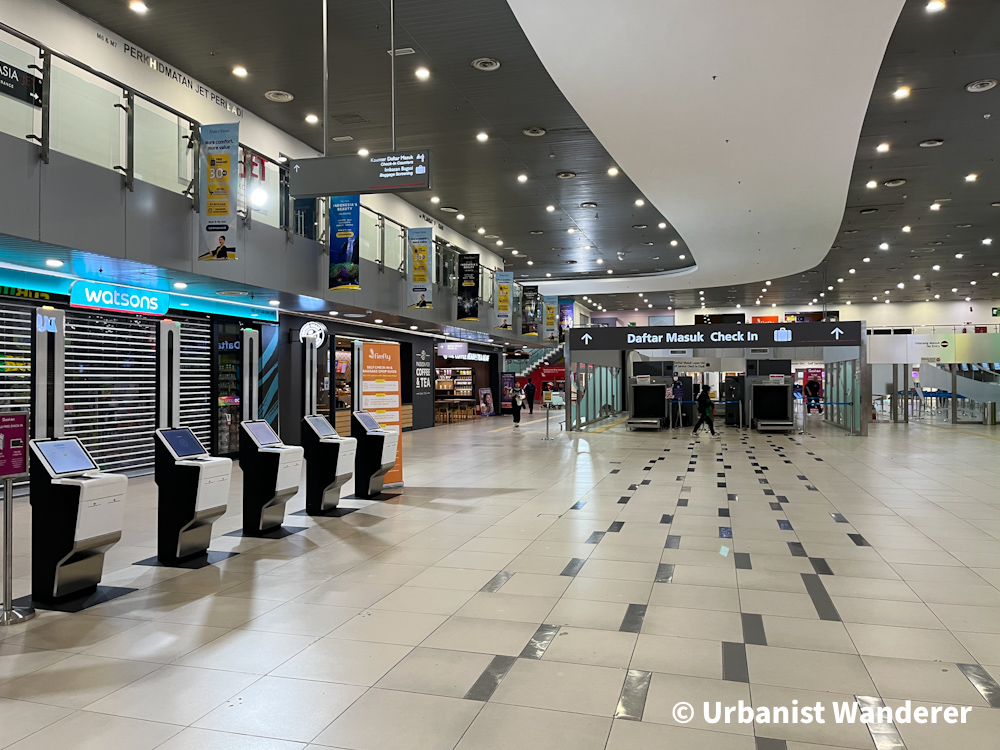
The best thing about flying out of Subang is the convenience as it’s not out in far flung Sepang like its glittery replacement. If traffic is favourable, Subang is reachable within 20 – 30 minutes from the western Klang Valley versus at least a 45 minutes’ drive to KLIA. I can see why it has allure as a potential city airport.
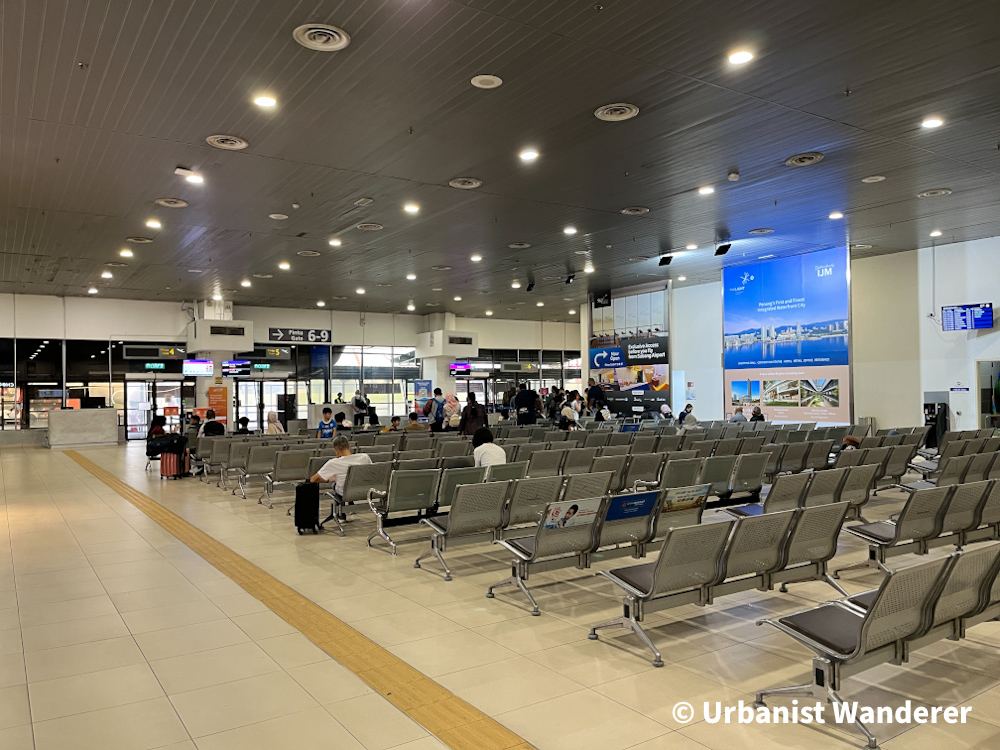
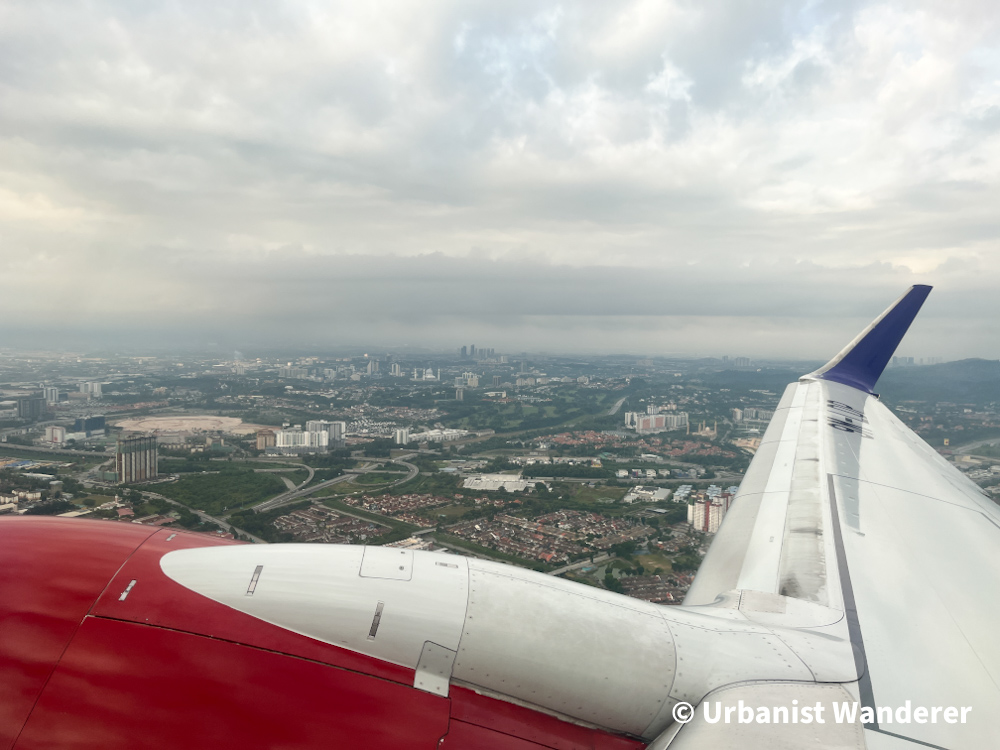
It was a short walk to the departure gates (one of Subang’s perks), and I was soon in the boarding queue. Taking us to Kota Kinabalu was 14 years old 9M-LDP (no relation to the highway), and it appeared to be a full flight.
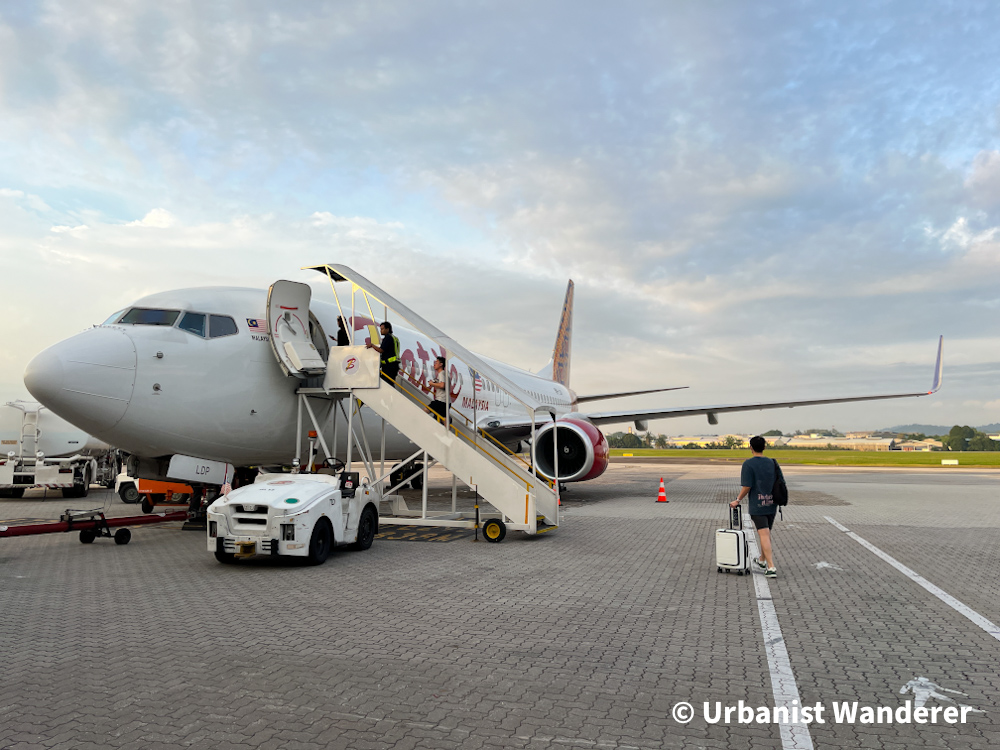
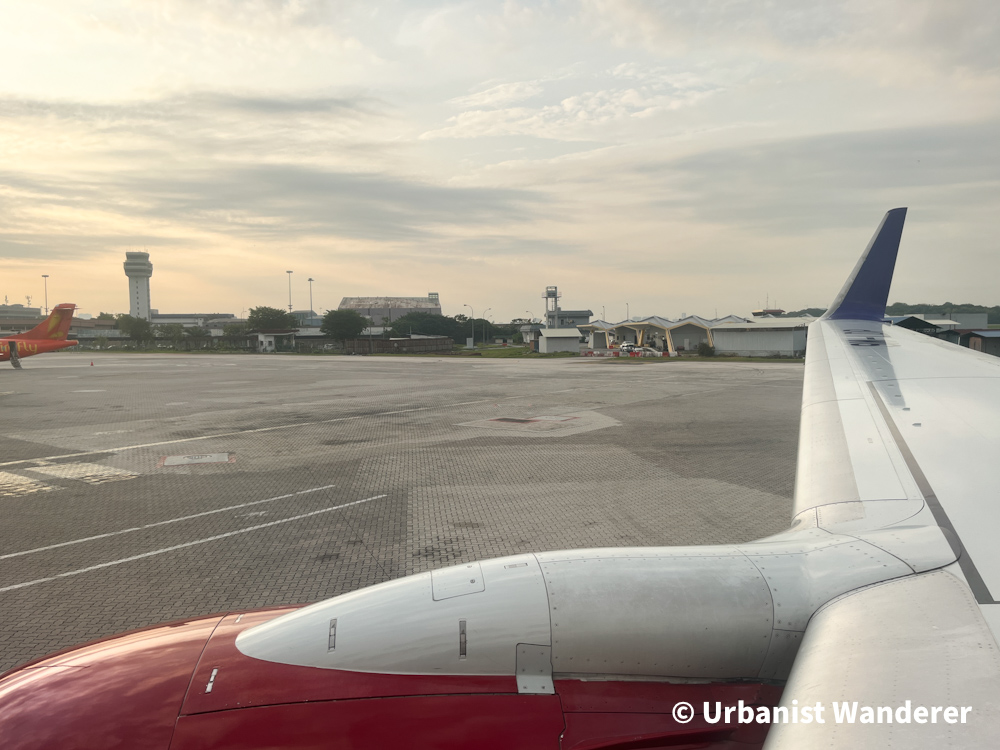
I felt very nostalgic to be boarding a Boeing 737 via stairs on Subang’s tarmac. The last time I did that was more than 23 years ago, when Malaysia Airlines still flew domestic flights out of Subang as part of the transition to the then new KLIA. How time flies!
Onboard Cabin & Amenities
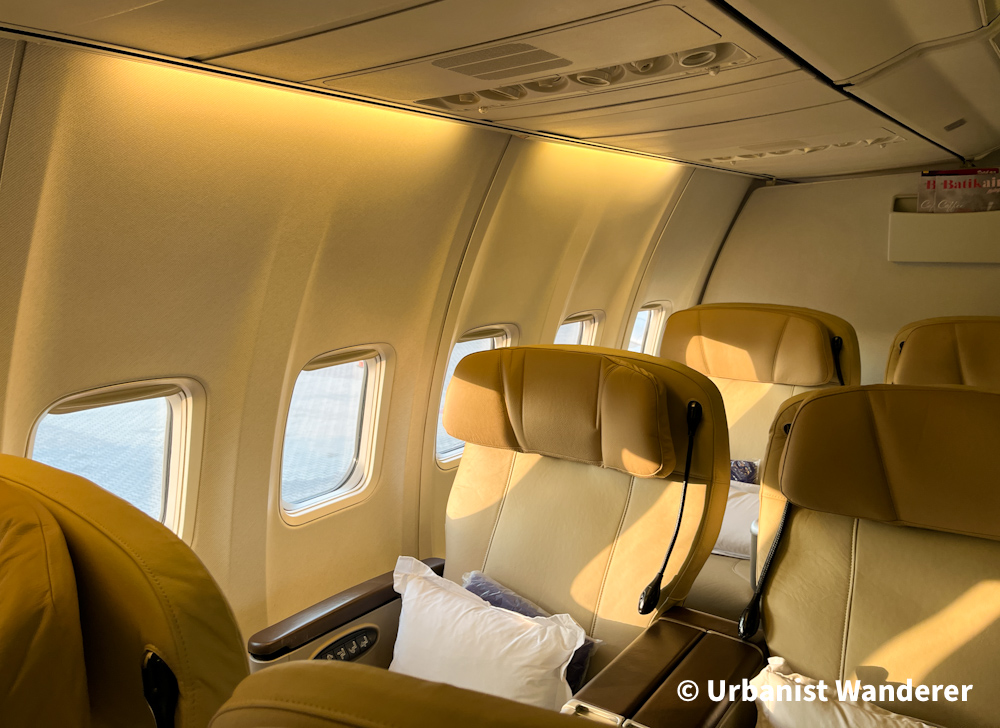
9M-LDP formerly operated for Indonesian flag carrier Garuda Indonesia before being acquired by Batik Air (Indonesia) in December 2022. The original Garuda 2-class interior was retained but reupholstered in the Batik Air corporate colours, featuring 12 Business Class seats in a standard 2-2 layout, and 150 Economy Class seats in a 3-3 layout. This was left unchanged when the aircraft was transferred to Batik Air Malaysia in September 2025, only a month before my flight.
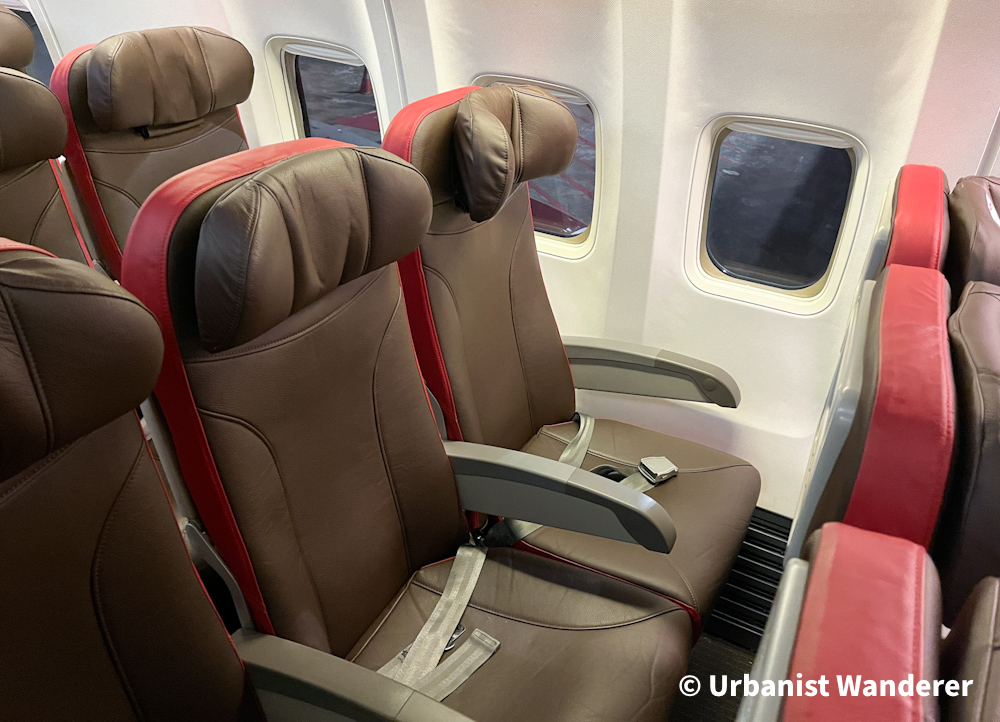
All 150 Economy Class seats feature 30 inches of pitch and an adjustable headrest, which is adequate for Batik Air Malaysia’s budget airline positioning and for regional flights not more than 4 hours. As with all other Batik Air Malaysia flights I’ve had, the seatback IFE screen was switched off. Make what you will of that.
I had previously flown Batik Air from Jakarta to Kuala Lumpur onboard another ex-Garuda B737 which featured an identical interior but slightly less well-kept than 9M-LDP. You can read that post here. Unlike that flight, Batik Air Malaysia didn’t serve refreshments onboard my flight to Kota Kinabalu. I suppose both airlines have slightly different market positionings.
Arrival at Kota Kinabalu International Airport
It was a sunny, largely cloudless day in Kota Kinabalu, which set the stage for a spectacular approach to runway 20. The peak of Mount Kinabalu, the country’s highest, was visible as we flew abeam of the airfield over the South China Sea.
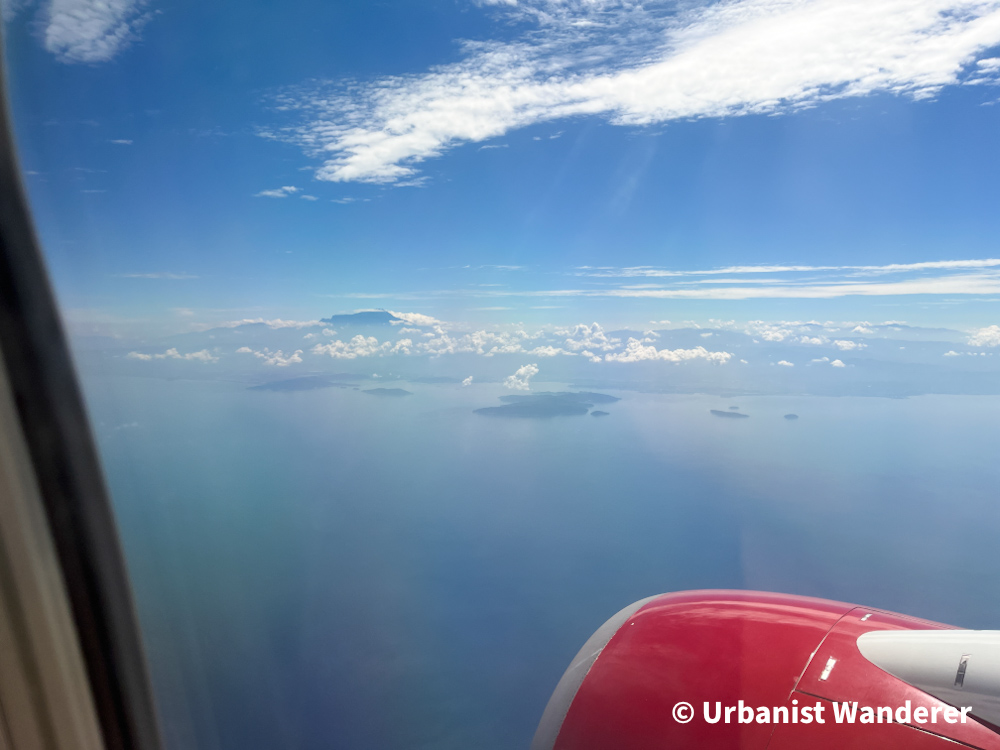
We then made turn to align with the runway over Sepanggar to the airfield’s north, and we were then on final approach over the city centre. The view of human settlement in the area was quite a contrast, with both the water villages of Pulau Gaya and the luxury bungalows of Sutera Harbour visible in quick succession.
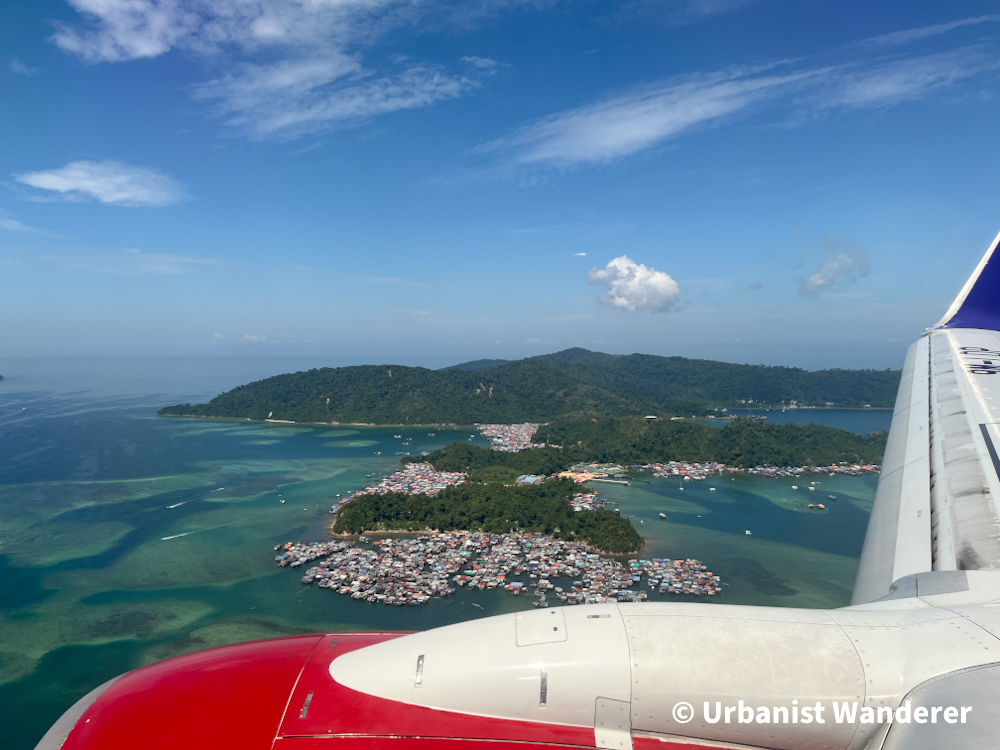
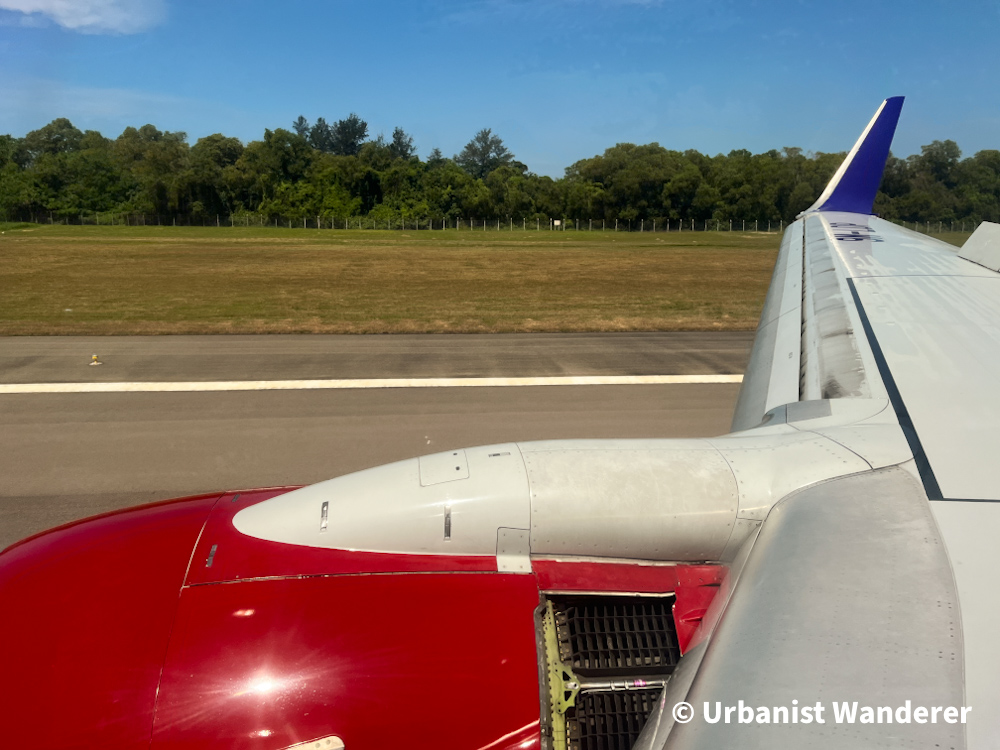
With such great flying conditions, we managed a 5-minutes’ early arrival into the gate. Not bad at all.
Final Thoughts
I felt less stressful flying out of Subang than KLIA, and I enjoyed the smaller terminal with no queue for security. All these were plus points in my book, and it reminded me of my experience flying out of Belfast City Airport many years ago. But to be frank, much of Subang’s convenience that morning was due to the shorter distance from my home, plus it was the early morning with no traffic. The road leading to Subang Airport is notorious for bad congestion at rush hour, and that will eat away at Subang’s comparative advantage; Terminal 3 / Skypark will also need to be expanded before it can handle more flights, and until there is more capacity, Subang is not likely to come into its own as a proper city airport.
In the meantime, I’ll still be happy to fly out of Subang.