
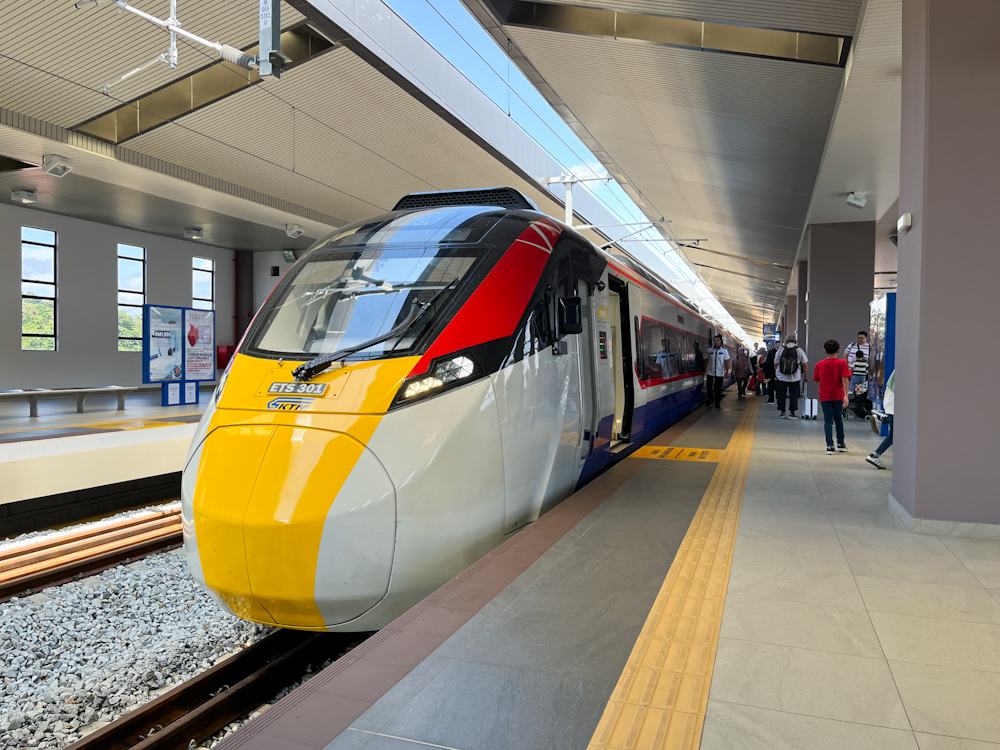
KTMB’s ETS intercity services have been hugely popular since its inception in August 2010. Running on modernised, doubled and electrified tracks on Peninsular Malaysia’s West Coast Line, the service’s electric trains cut travel times across the network, and reestablished the national rail operator as a mainstream alternative to driving. But the ETS was never truly complete without services to Johor Bahru, the southern end of the Peninsular’s mainline. That changed in mid-December 2025, when ETS trains finally rolled into JB Sentral on scheduled services. Current timetables place the KL to JB sector at a respectable 4 hours and 20 minutes, significantly faster than the 6 to 7 hours on the legacy tracks.
A month or two ago, I made plans to ride the overnight Ekspres Rakyat Timuran from JB Sentral. The ETS had not yet reached JB Sentral at that time, requiring passengers to change to the southbound diesel hauled Ekspres Selatan at Kluang. KTMB had coincidentally also introduced their brand new Class 94 trainsets on the KL Sentral to Kluang run not too long before that, making it the perfect opportunity to preview them before JB Sentral services started in earnest. Now, I don’t usually spend on premium classes on trains, but I figured it was worth splurging on KTMB’s new Business Class cabin this time. After all, I was on my first rail trip in a long while.
Buying my tickets
I bought my tickets on KITS – KTMB’s online ticketing system. It’s a simple system that works well enough for its intended purpose. All ETS tickets require seat reservations during purchasing. For Business Class, you simply select a Business Class seat on the seat map and the upcharge is added to the ticket fare automatically; Payment is either via credit cards or via the KITS e-wallet, though I don’t recommend the latter as currently you cannot easily cash out your unused balance.
The one thing KITS cannot do is to sell combination tickets for multiple sectors. If you are connecting from one intercity service to another, you’ll have to buy the tickets separately. It’s a manageable hassle, for now.
Departure from KL Sentral
All ETS services begin in the slightly dim basement double tracks of KL Sentral, Kuala Lumpur’s primary rail hub. Intercity departures and arrivals are handled at Level 2 via a pair of “gates”, where passengers are held before being allowed to board. This time, I made use of the Ruby Lounge on the mezzanine above the waiting area. This is a perk of the ETS Business Class ticket, with the lounge offering plush seating and a selection of hot and cold drinks. There is also a dedicated lift that takes passengers down to the platforms, although this is shared with Standard Class passengers who may need the lift at the departure gate down below.
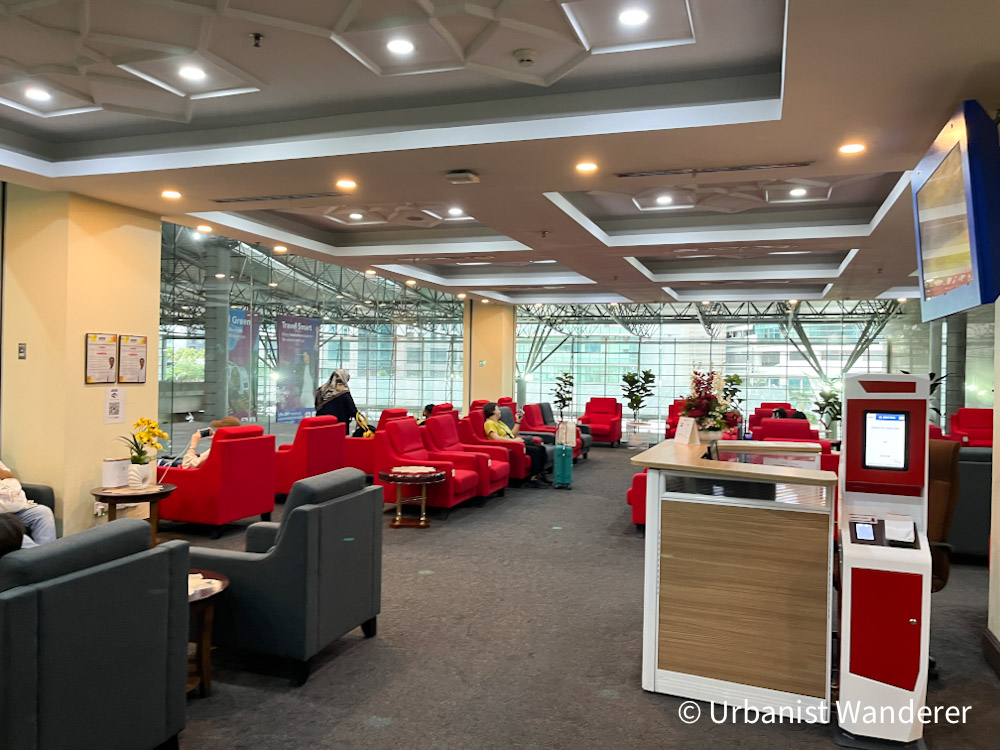
Do come early if you want to use the Ruby Lounge. I arrived later than intended with 15 minutes to departure and was sent straight down to the platform with no chance to grab a hot drink. Can’t blame them for being cautious, though it was a rather abrupt redirection despite the ample time for boarding.
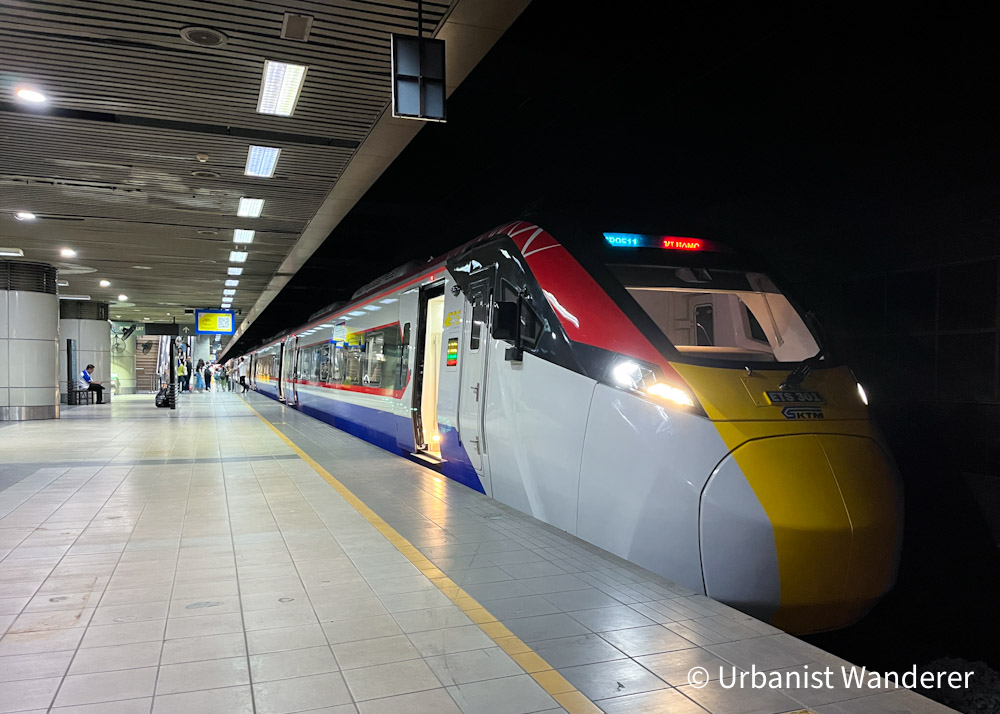
KTMB has a longstanding caricatured reputation of its trains being late. This doesn’t (usually) apply to the ETS. Doors were closed a minute before departure, and we crept out of KL Sentral on time. Don’t be late!
Onboard Cabin & Amenities
These Chinese CRRC-built Class 94 sets are equipped with a two-class configuration onboard its six coaches. Coach A hosts Business Class, and Standard Class seats fill the remaining five coaches. Despite the choice of name, the ETS Business Class is roughly equivalent to First Class on British and European trains.
The Class 94 sets follow the CRRC-built Class 93 family first introduced in 2015. The initial Class 93/1 sets run with a single-class configuration onboard and are usually seen on ETS Gold services, while the Class 93/2 sets (introduced in 2019) brought Business Class to the ETS alongside better interior design and more solid build quality and fixtures. The passenger experience on the Class 94 and Class 93/2 are similar, with the only noticeable differences being the design of the cabins and fixtures onboard.
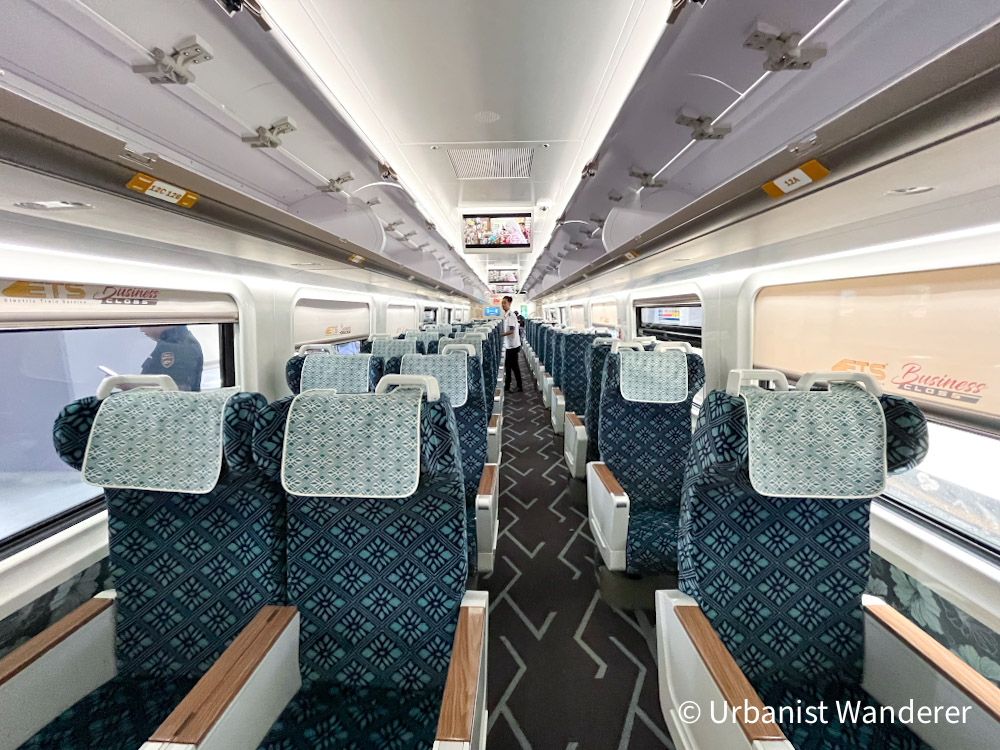
KTM Class 94 ETS Platinum Business Class
Business Class is set out in an industry-standard 2 – 1 layout. Compared to Standard Class, the Business Class seats are bigger, plusher, and have greater legroom. Build quality is good, and it’s a far cry from the rattling I once experienced on the older Class 93/1 sets.
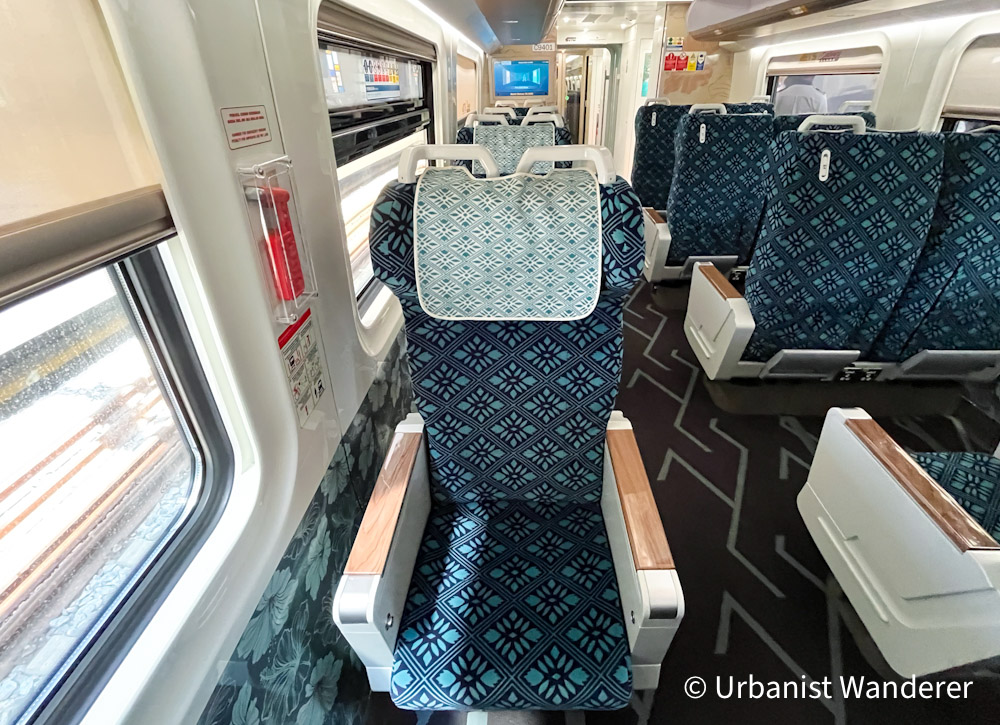
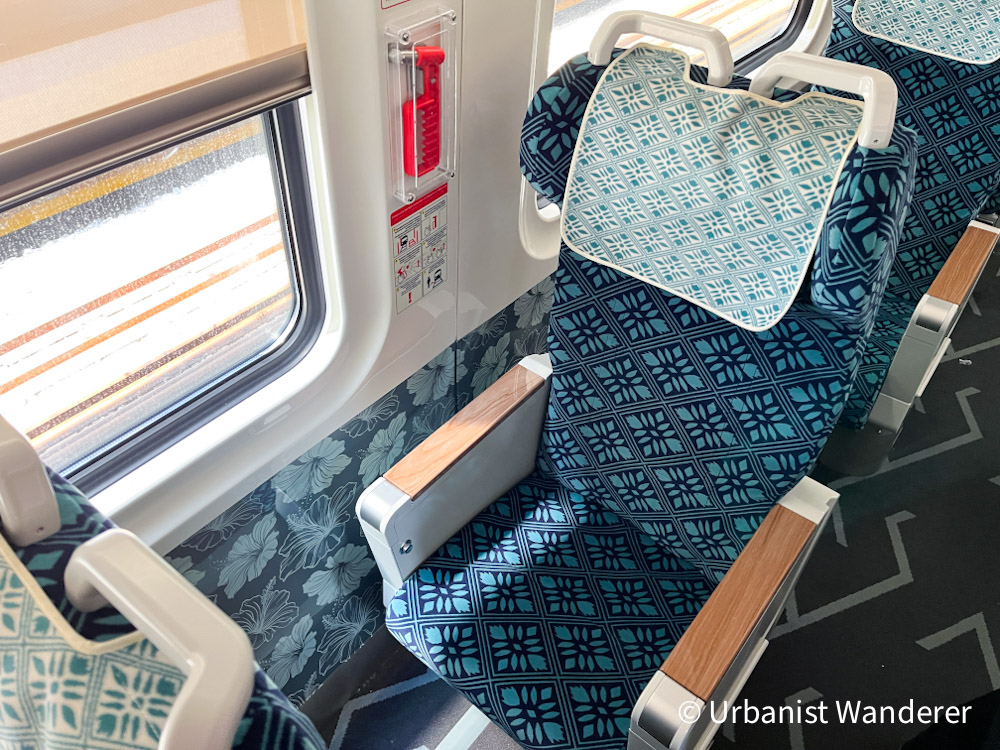
The armrests open up to reveal a foldable tray table on the right, and an entertainment screen on the left. Above the seats are overhead enclosed baggage compartments instead of the traditional open racks. A footrest is also installed, though it requires some manoeuvring to drop down; It all felt very airplane-Business Class, which KTMB is clearly trying to emulate, though I personally think the entertainment screen is overkill for a train.
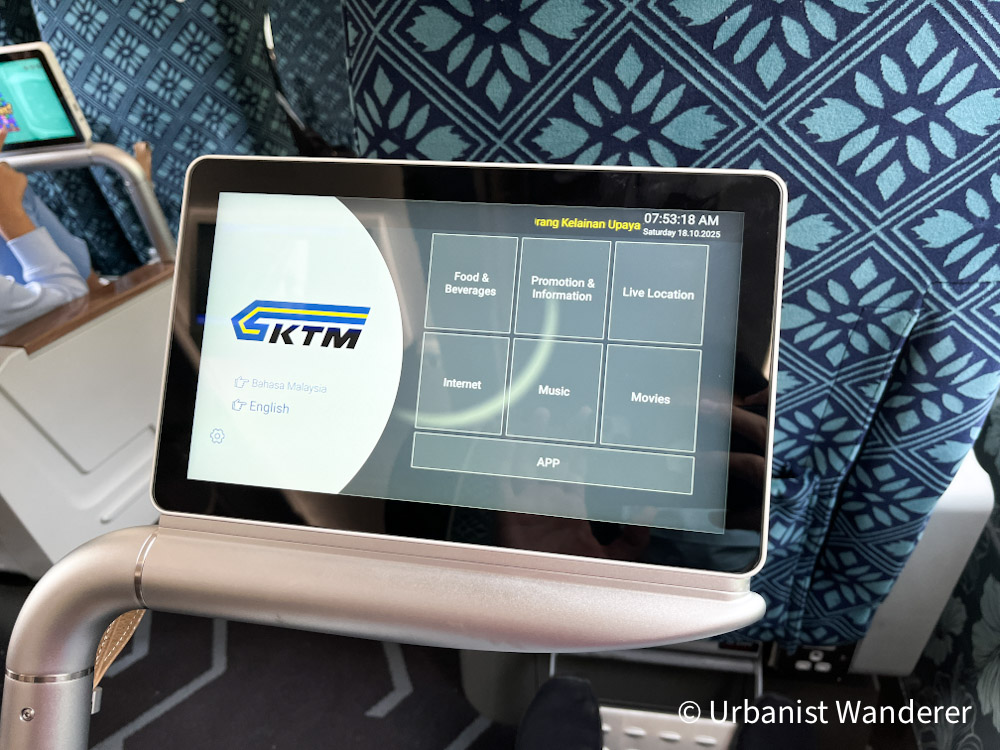
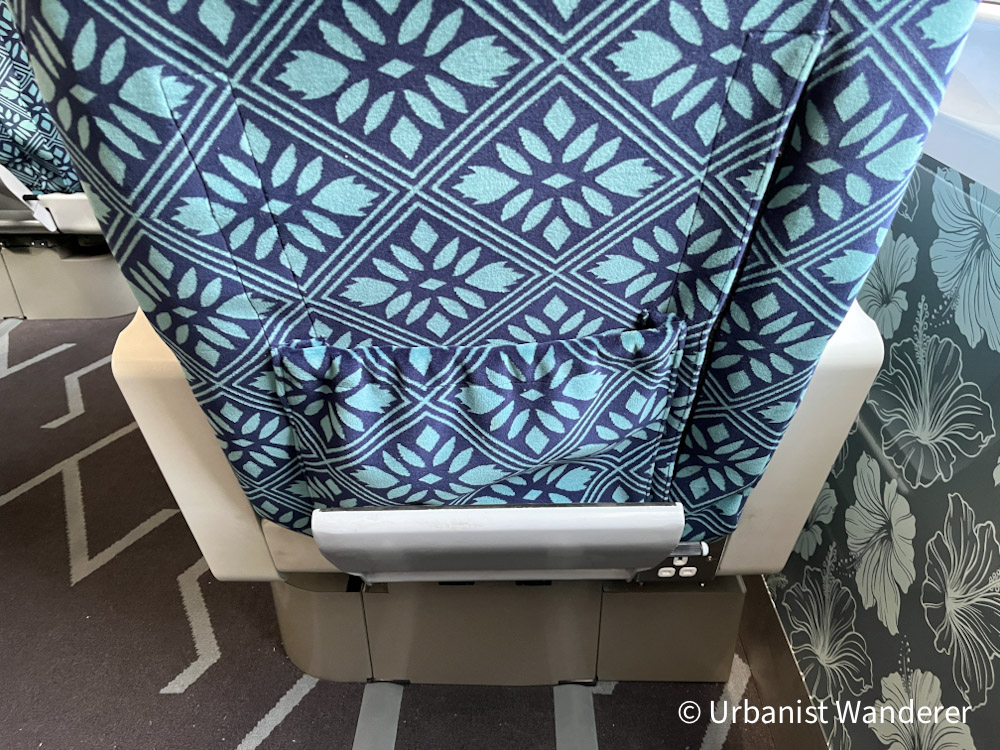
Each seat is supplied with a wall power plug (Malaysia uses Type G plugs) and 2 USB-A ports (no USB-C, sadly). The only issue is that they are located at the base of the back of each seat, meaning you have to drag the cable across the legroom to use your phone while charging.
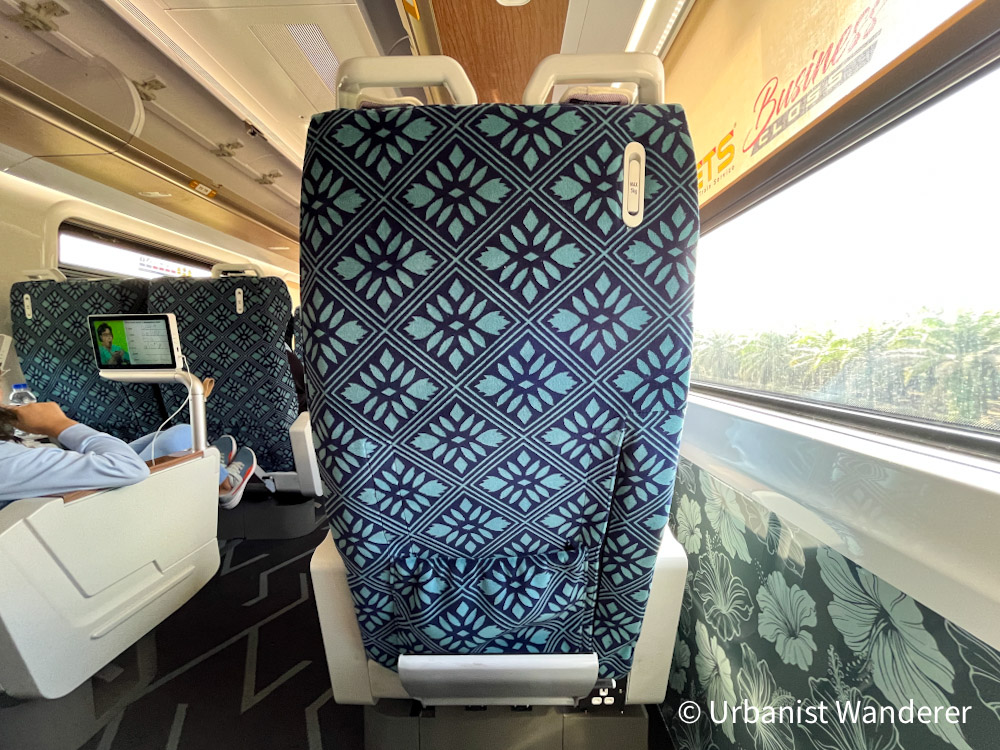
All seats recline and can also be rotated to face the direction of travel. Rotatable seats aren’t new to KTMB’s Business Class cabin, but the Class 94 introduces rotatable seats to Standard Class for the first time. No more zooming forwards while backwards!
Onboard Amenities – Toilets
The Class 94 sets feature both regular and accessible toilets. Business Class gets its own regular toilet at the front of Coach A, and this does mean you have to walk further down the train if you are in Business Class and need the accessible toilet.
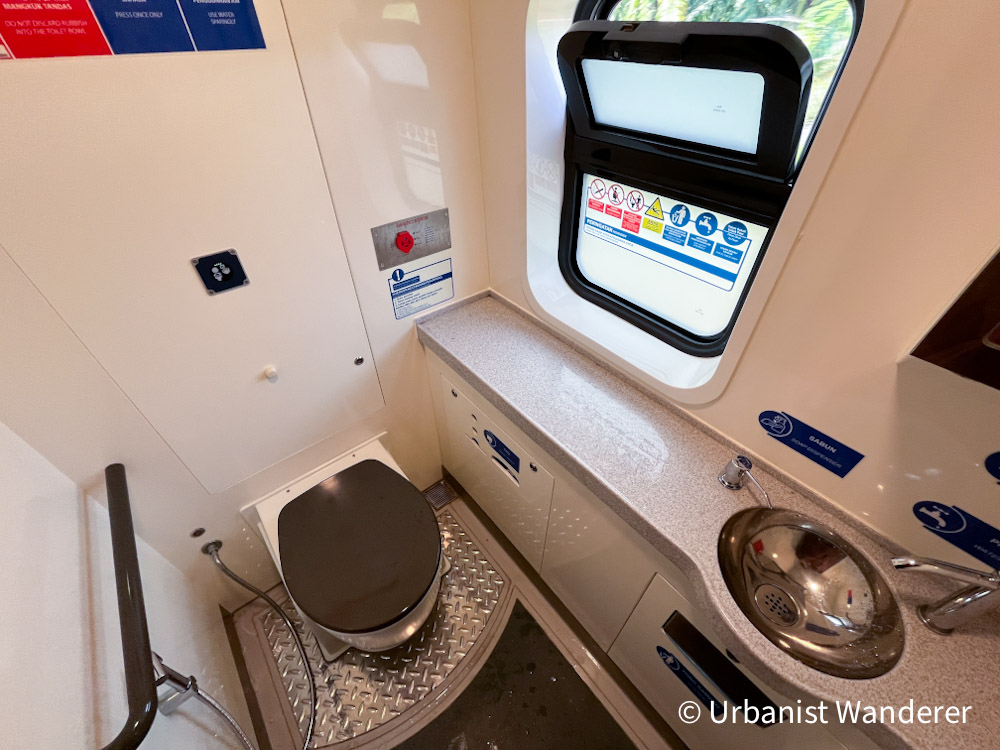
Not much has changed in how the toilets onboard are fitted out, as they are identical to the toilets on the earlier Class 93/2 train sets.
Commentary on the Class 94 interior design
I have nice things to say about the onboard interiors. The early ETS interiors are best described as functional, as the priority was on running a reliable service at what was a particularly difficult time for KTMB. It appears KTMB has since realised the value of a good interior, plus they really, really want you to take the train. The Class 94 sets show that KTMB has paid more attention to interior styling. Newly designed floral themed upholstery and wallpaper give the cabin more character, while darker colour tones on the upholstery and carpets up the “premium” feel, not to mention the lightly coloured faux wood panelling on the armrests.
Sure, floral and faux wood panels can be a bit tacky, but the implementation here has created a pleasant enough interior space that actually feels “flagship”.
Onboard Catering
Complimentary food & drinks are offered with the Business Class ticket. The train attendants came round twice during the trip: Once for breakfast, and once more for a late morning muffin snack and a choice of drink. No such perks for Standard Class unfortunately, whose passengers have to buy their own food and drinks from the onboard bistro.
ETS Platinum Business Class Breakfast
Breakfast, the star of the show, was a pack of Nasi Lemak Che’Mat Rendang Ayam Sambal Tumis Darat, with a pack of salted peanuts and a boxed juice for sides. Bizarrely, a pair of knock-off Apple Earbuds for use with the in-seat entertainment system was served in the same box as the sides. No, they are not edible.
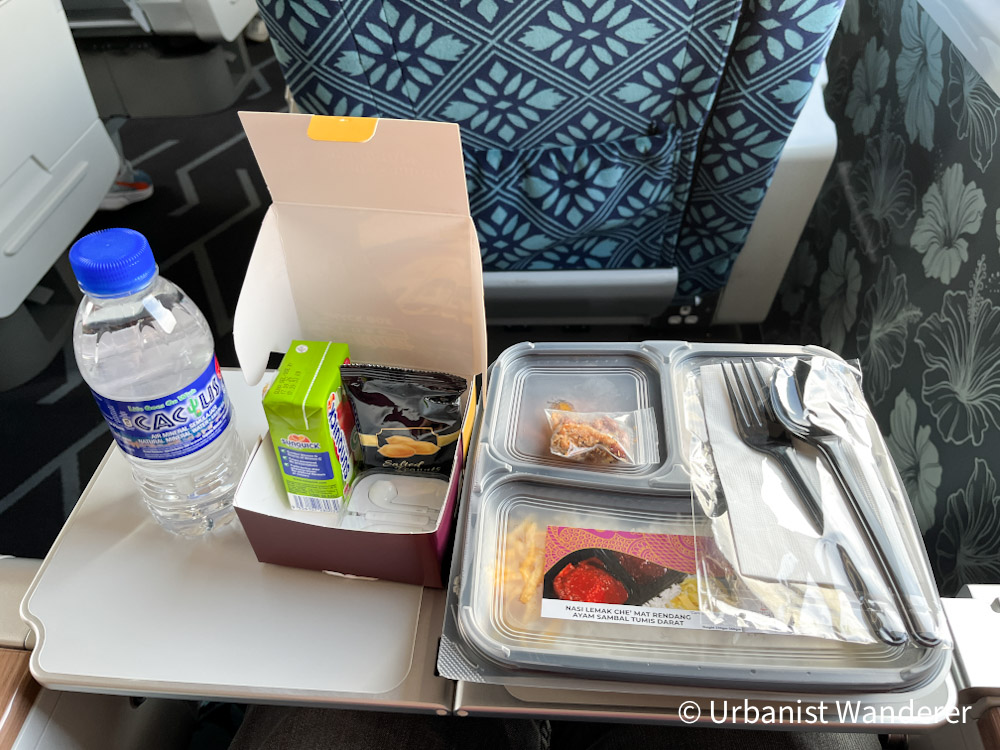
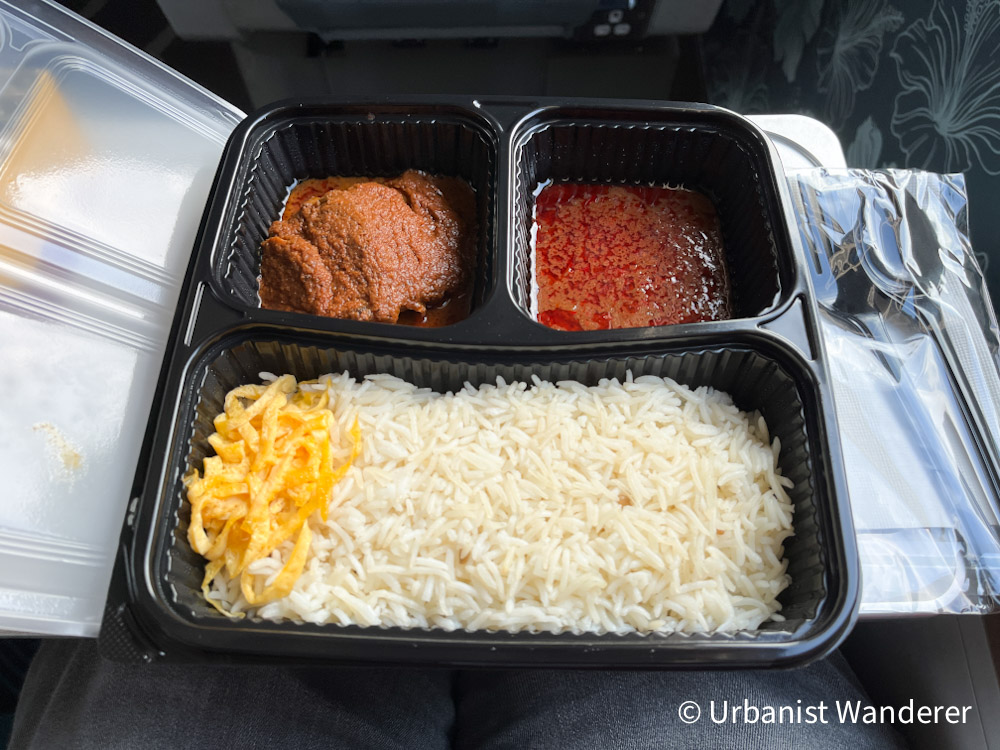
The effort must be commended, but KTMB once again struggles in the food department. The Nasi Lemak was disappointing in a few ways: It was rice-heavy with a much lighter serving of chicken and rendang, complemented by an equally light serving of the sambal tumis. Shredded omelette and anchovies with peanuts complete the presentation with the peanuts packed separately. The rice tasted alright but the chicken was rather dry, and both the rendang and sambal weren’t enough for the amount of rice provided. Oddly enough, there were no vegetables, not even cucumbers which are usually given with Nasi Lemak.
I was unimpressed with my Nasi Lemak, and you’d think KTMB would do well with the national dish after years of operations. It’s really odd that KTMB continues to have issues with appointing a caterer that actually makes good food, especially since Malaysia is well-known for its cuisine.
KTMB ETS Class 94 Bistro
The Class 94 trains continue the ETS practice of having an onboard bistro counter instead of a dedicated dining coach like the heydays of rail travel. This time, the bistro counter is segregated from the rest of the coach via a sliding door, and there is now no seating across from the counter. This is no big loss as it was quite a cramped space to sit at.
What also hasn’t changed is a heavy reliance on microwaved meals and powdered drinks, which the bistro staff prepare in the rather cramped space. Nothing wrong with a Nescafé 3-in-1 (in moderation of course), and I’ve said enough about KTMB’s food quality so I’ll leave it at that. The bistro space was very popular and very packed on this trip, so taking photos was out of the question. Here’s a link to CRRC’s promotional feature of the new train with a nice picture of the bistro space.
What I think of the ETS Platinum Business Class
While generally good, some aspects of the premium experience can be improved. For starters, there didn’t seem to be proactive enforcement of the Business Class exclusivity – I went to the bistro to buy coffee and came back to find that another passenger had made himself comfortable in my seat as though it was his own (he didn’t seem to be a Business Class passenger); The seats were also too upright in their default position which was somewhat uncomfortable, and I noticed most passengers kept their seats reclined throughout the journey. These are all smaller quirks and probably first world problems, but as KTMB’s customer base expands they may be dealing with similar comments on a more frequent basis.
I’d rate the Business Class about 7 out of 10. Comfortable seats are great, and this has always been KTMB’s plus point when compared to the thinner, firmer seats of British and European trains, and I really laud the greater attention given to the interior design; But premium pricing demands at least some polish, and the product currently doesn’t offer much else other than plushy seats, an exclusive cabin, and lacklustre (but complimentary) catering. I’m personally willing to pay extra for plushy seats and the exclusivity over longer distances, but not every paying passenger is a patient one, and KTMB ought to start thinking ahead of the curve for the onboard experience. Standard Class is perfectly fine for the travel times, so Business Class has to be really worth the upcharge.
The view after Gemas
A significant point of the trip came when our train left Gemas station and headed southwards onto the newly electrified tracks. This wasn’t possible before 15th March 2025 as the electrified line and the ETS terminated at Gemas, requiring a transfer to the diesel-hauled Ekspres Selatan. Since that date, ETS services have reached further and further south beginning with Segamat – the first station after Gemas.
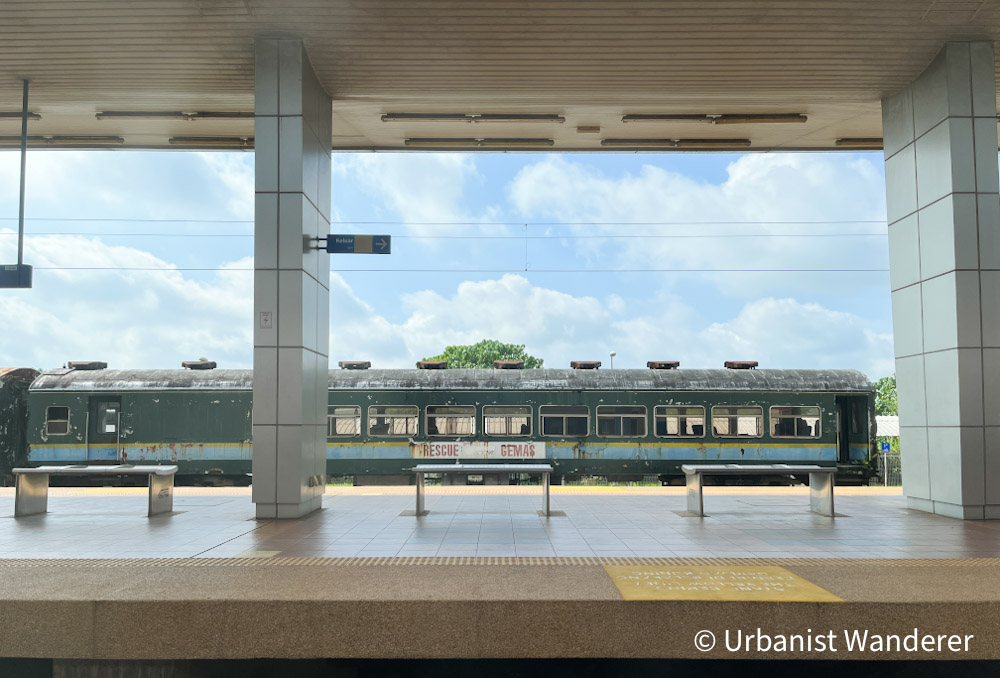
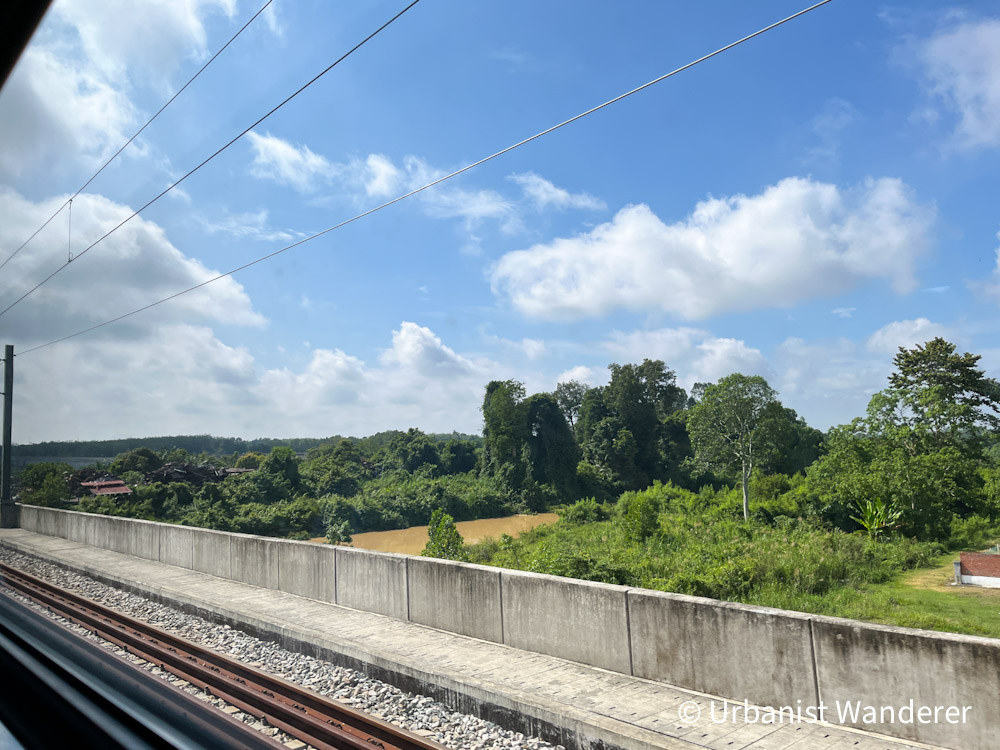
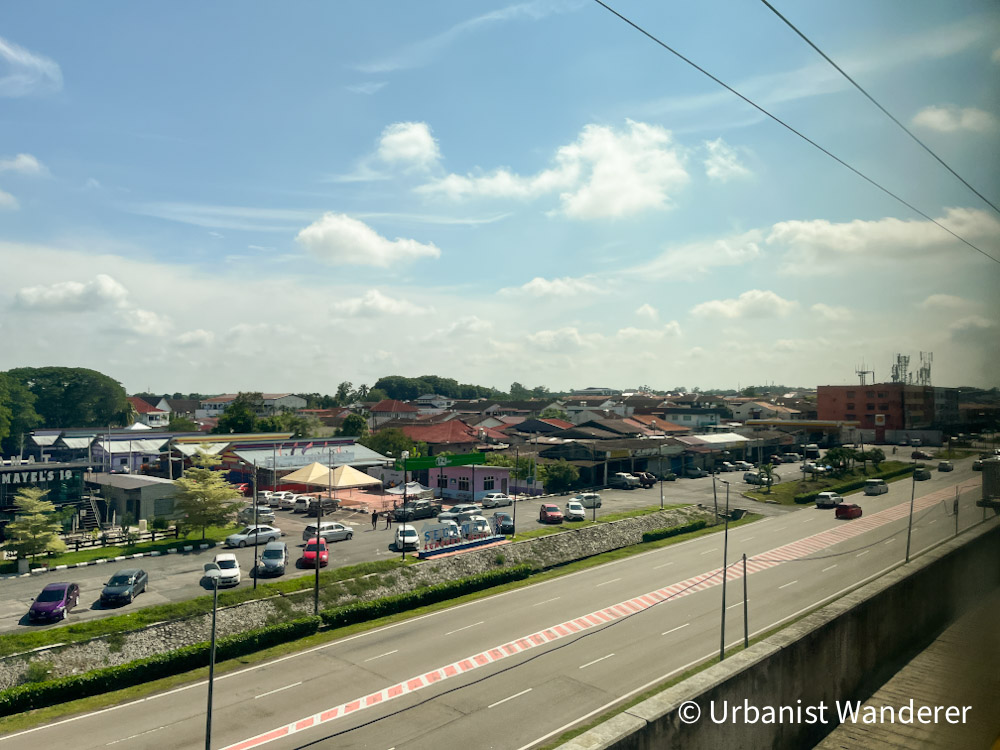
Not to be missed are also the new-built stations on the line, which are perhaps the biggest markers of progress reaching the Johor mainline.
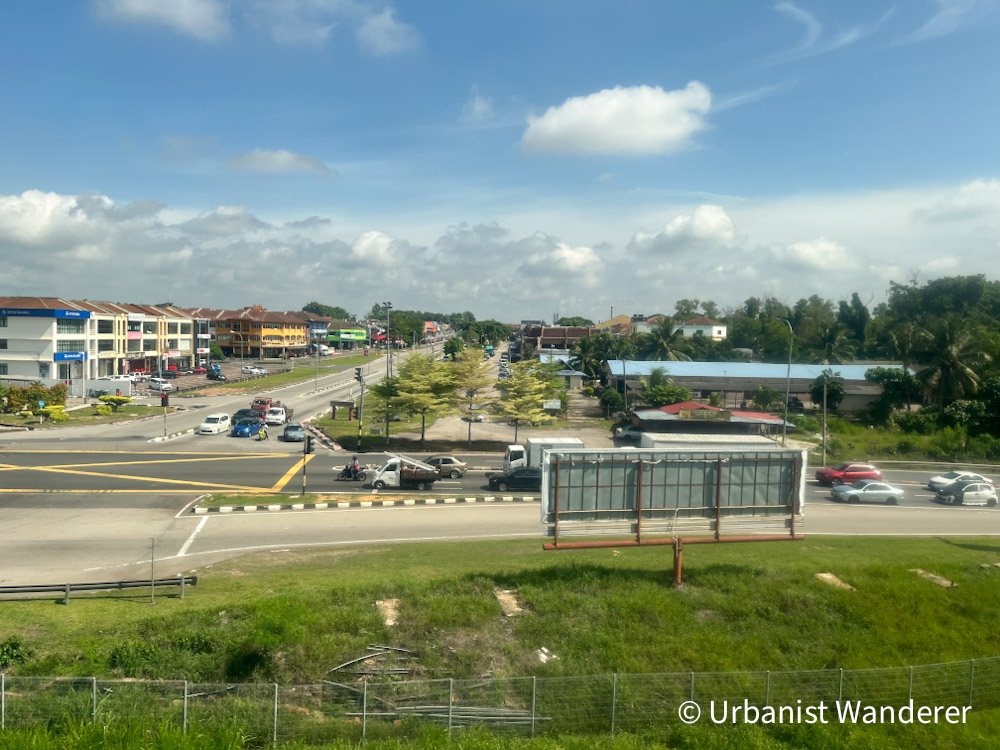
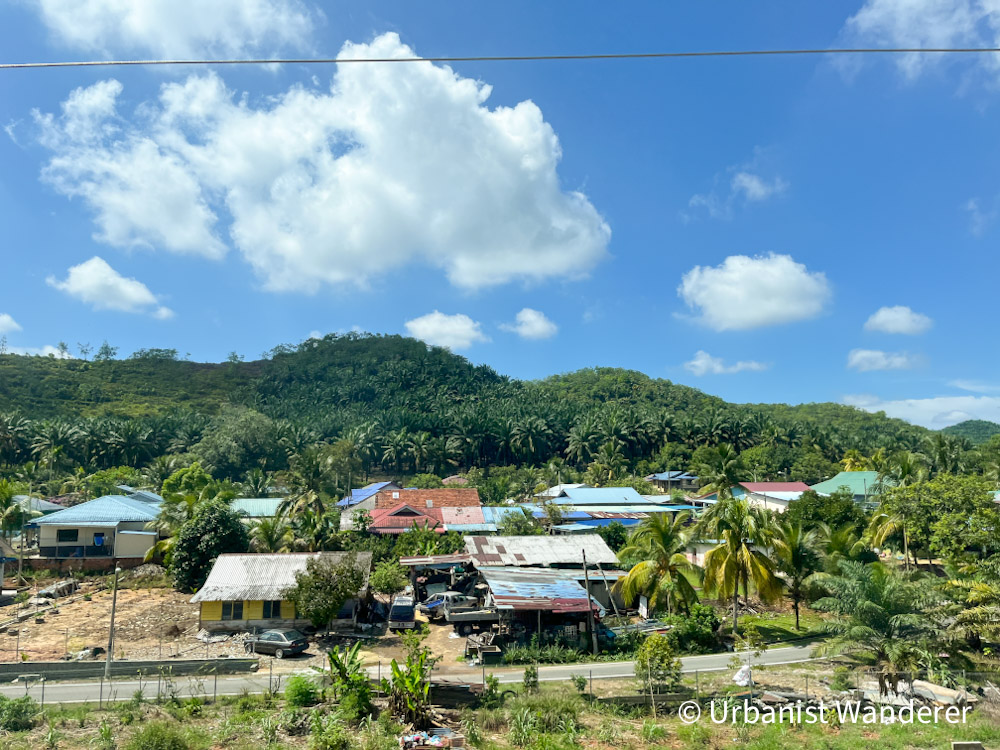
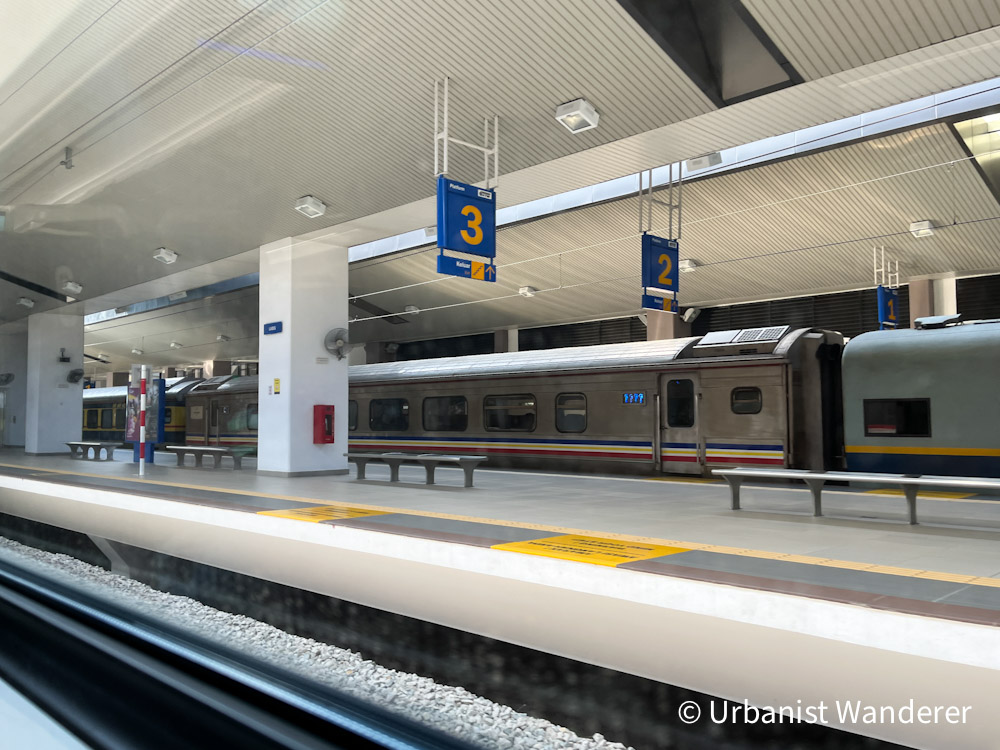
I’ve been on the mainline south of Gemas only twice before – once southward bound in 2017 when the tracks were still in their original state, and the second in 2019 on the Ekspres Selatan northwards with the upgrade works in full swing. This time, our sleek electric train whizzed past on elevated track where the locomotive-hauled consist used to rumble at ground level past level crossings. It was a bit of a “woah” moment for me, and it underscored just how revolutionary the ETS has been for domestic intercity train travel.
Arrival at Kluang
The smooth new tracks and the higher running speeds meant that we easily managed an on time arrival into Kluang after 3 hours and 34 minutes of travel. What used to be a rumbling grand arrival now became silent efficiency under the roofs of the new station. Less charming, perhaps, but remember that we had just saved an hour versus the old schedule because train travel to Kluang didn’t require a transfer at Gemas anymore.
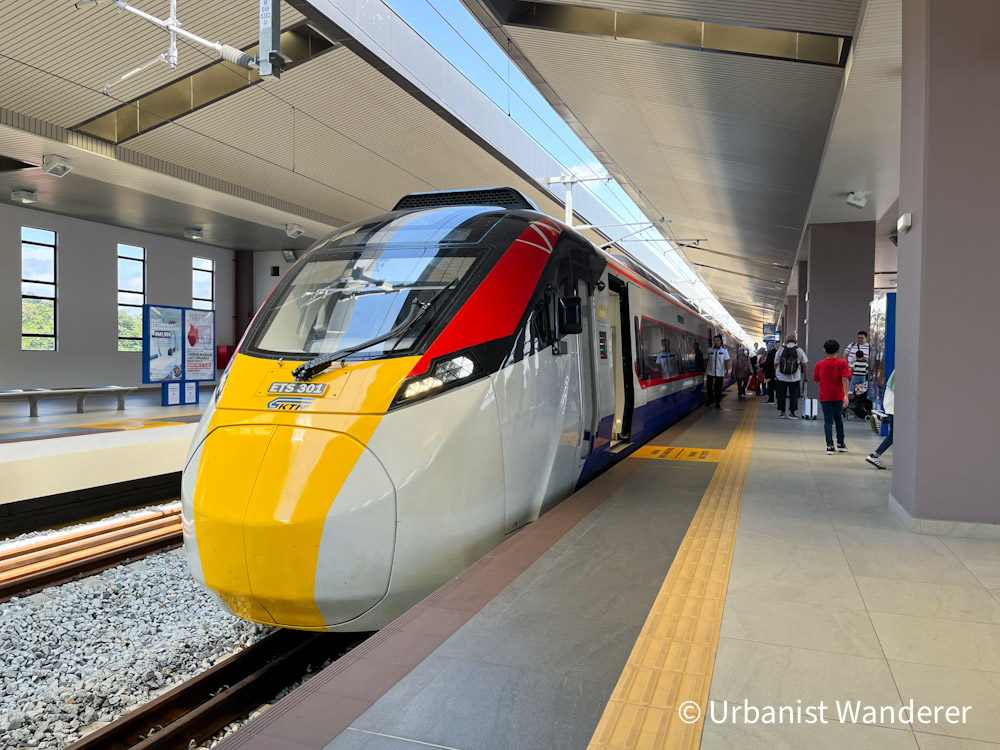
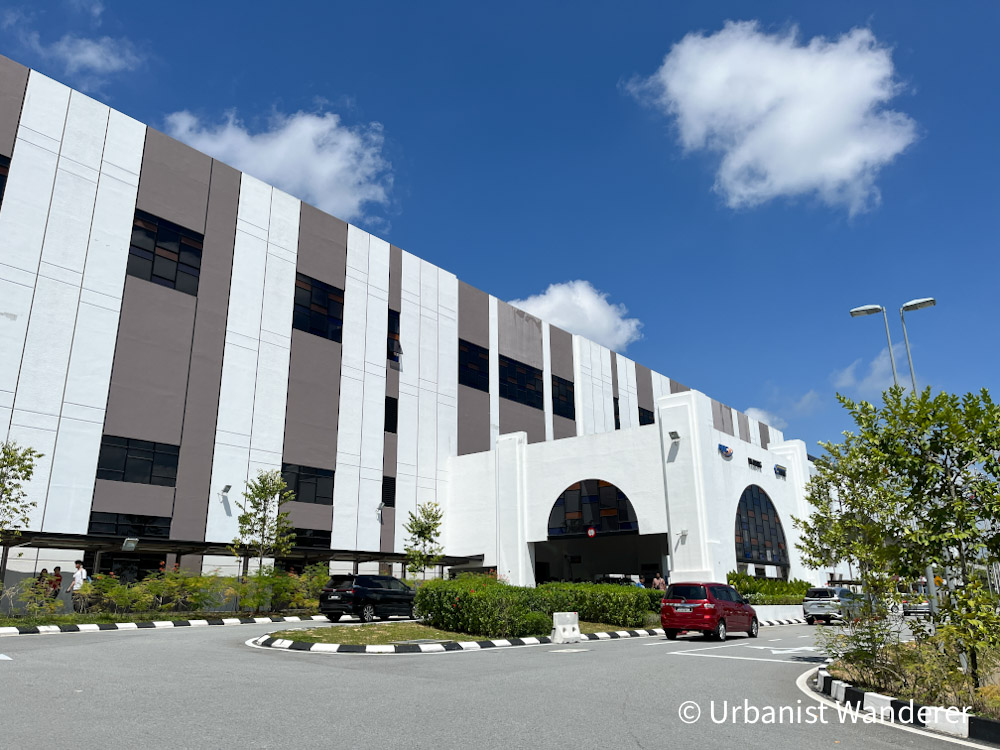
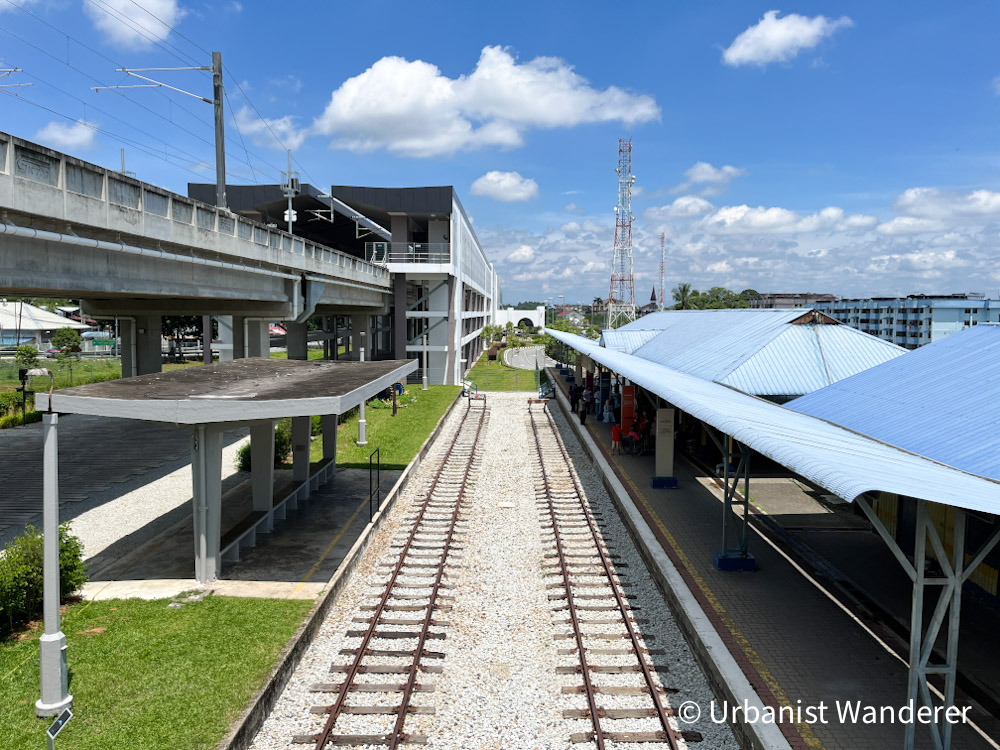
The new station at Kluang is an elevated, two-floor structure located alongside and adjacent to the old ground level station. Both are connected by road and a pedestrian pathway, and the old station’s famous kopitiam is just a short walk away. If charcoal-toasted bread isn’t your thing, then spend some time at the old station where the structures have largely been preserved. I highly recommend the vantage point on the old bridge between the former platforms!
Final Thoughts
This was a nice introduction to KTMB’s new trains, and a great way to see the culmination of decades of modernisation works on the West Coast Line. KTMB’s Business Class was also a nice way to travel, but it could still do better to buttress its premium aspects. Would I pay for it again? I would, but it would be occasional and mostly for the exclusivity.
KTMB has come a long way since year 2010. I’m personally hopeful that this is the start of a wider railway revival in Malaysia, because there clearly is demand for more train services. What will matter is how KTMB caters for the increased demand and how it keeps service standards consistent. That, however, is a topic for another day.